Microservice Capabilities for Experiment Control
Services for experiment control enable the execution of planned tests using scientific resources. Typical activities include validating test configurations, configuring the resource(s) to match the desired test configurations, and initiating and monitoring the execution of tests.
Scientific Instrument Controllers
Instrument controllers provide command and control and state inspection functionality for scientific instruments (e.g., electron microscopes, chemical reactors, neutron detectors, robots, etc.). These adapters typically must integrate with instrument control software such as ROS [B97] or EPICS [B98]. The capabilities provided by instrument controllers should abstract away the operational details of controlling instruments and examining their state or data products. Instead, they should offer high-level functionality that in turn orchestrates potentially complex sequences of instrument control software actions. Instrument controllers should also integrate with INTERSECT Data and Information Management services to store and publish any data products or streams.
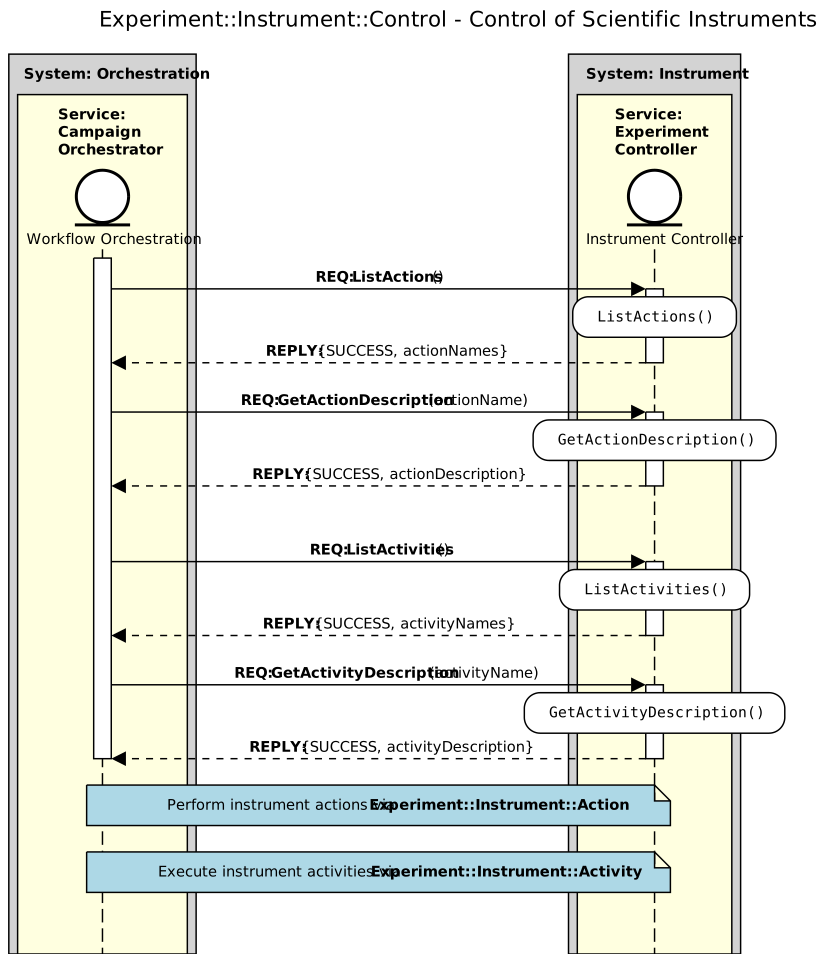
Fig. 141 Microservice interaction sequence for controlling a scientific instrument.
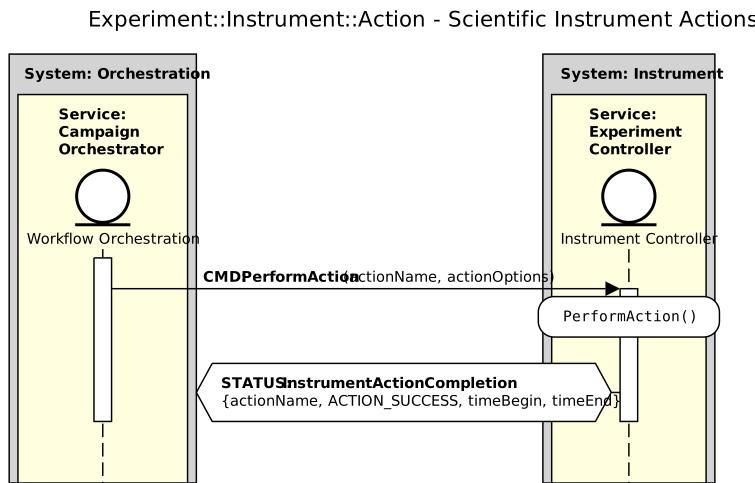
Fig. 142 Microservice interaction sequence for performing actions on a scientific instrument.
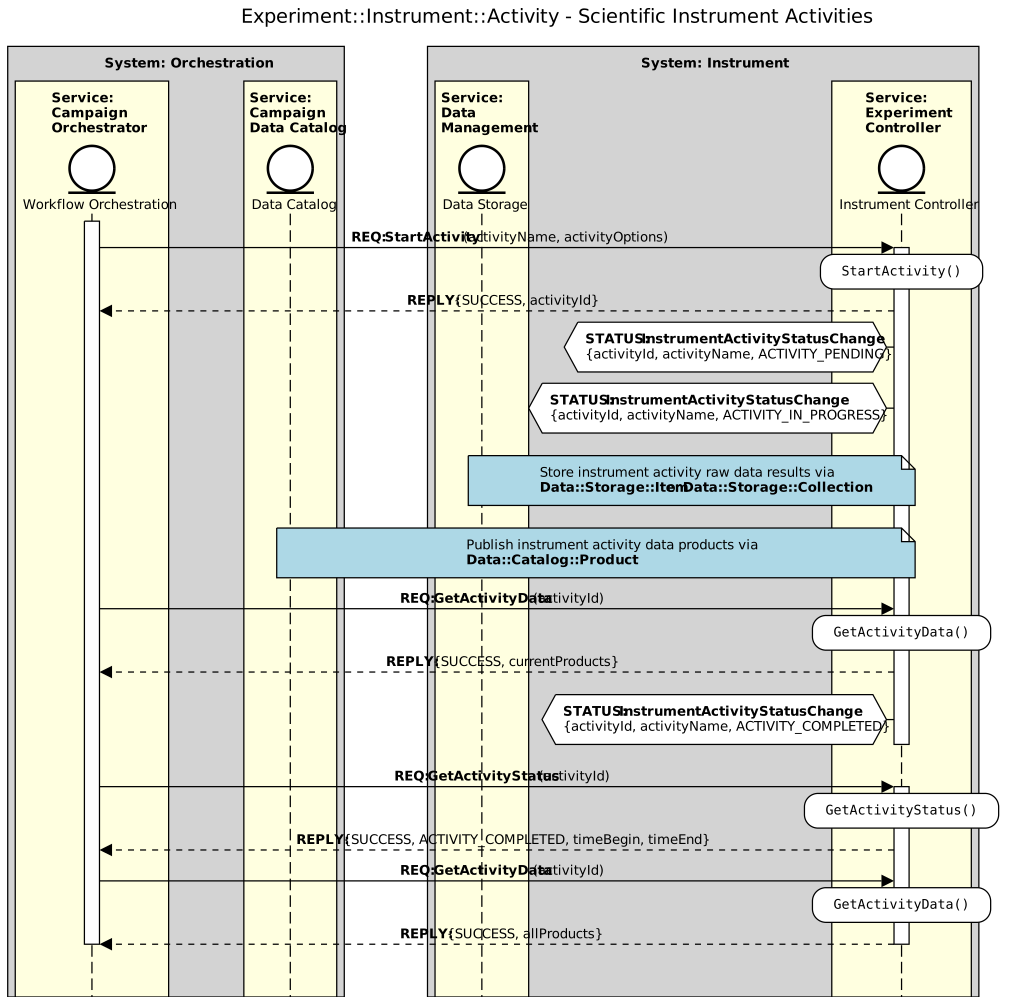
Fig. 143 Microservice interaction sequence for executing an activity on a scientific instrument.